
Understanding Residential Sewage Cleanup Protocols in Houston, TX and Surrounding Areas
Residential sewage issues can pose serious health hazards and property damage in Houston, TX and surrounding areas. Prompt and proper cleanup protocols are critical to prevent the spread of bacteria, viruses, and other harmful contaminants. Understanding sewage cleanup processes helps homeowners respond effectively, protect their families, and restore affected areas safely and efficiently.
Why is proper sewage cleanup essential?
Sewage contains harmful pathogens, bacteria, and viruses. Improper cleanup can result in illness, foul odors, structural damage, and long-term contamination. Professional cleanup ensures safe removal and sanitation of affected areas.
What are the main types of residential sewage backups?
Common types include clean water backup from appliances, gray water from sinks or showers, and black water from toilets or septic systems. Black water is the most hazardous due to high pathogen content and requires professional handling.
What is the first step in residential sewage cleanup?
The first step is to stop the source of the sewage and ensure the area is safe. Homeowners should avoid contact with contaminated water and turn off electricity in affected zones to prevent electrical hazards.
How do professionals assess the damage?
Cleanup specialists inspect the property to determine the extent of contamination, identify structural damage, and classify the type of sewage. This assessment guides the cleanup and sanitation process.
What equipment is used in sewage cleanup?
Technicians use protective gear, industrial pumps, wet/dry vacuums, specialized cleaning agents, dehumidifiers, and air scrubbers. This equipment ensures thorough removal of sewage, moisture, and odors.
How is contaminated water removed safely?
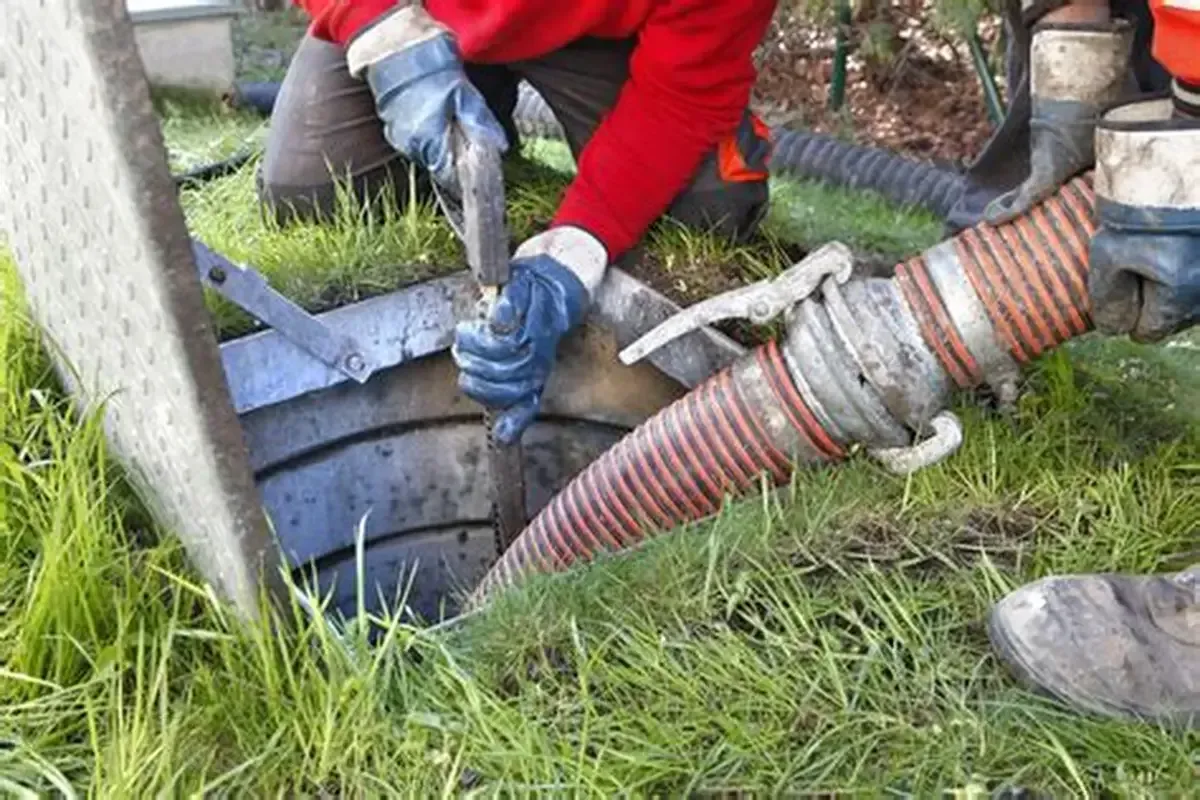
Sewage is pumped out or vacuumed using professional-grade equipment. Contaminated materials like carpets, padding, and porous items are often removed and disposed of following safety protocols to prevent pathogen spread.
How do professionals disinfect and sanitize affected areas?
Technicians apply EPA-approved disinfectants to surfaces, structural materials, and floors. This process kills bacteria, viruses, and mold spores, ensuring the area is safe for occupancy.
Can sewage cleanup prevent mold growth?
Yes, immediate water extraction, drying, and sanitation reduce moisture that promotes mold growth. Professionals monitor humidity levels and use air movers and dehumidifiers to ensure complete drying.
How long does a residential sewage cleanup take?
The timeline depends on the severity of the backup and affected areas. Small incidents may take a few hours, while extensive contamination can require several days, including drying and restoration.
Are homeowners safe during cleanup?
Homeowners should avoid contaminated areas and allow trained professionals to handle sewage removal. Proper safety gear and protocols protect both technicians and residents.
Final Thoughts
Understanding residential sewage cleanup protocols in Houston, TX and surrounding areas helps homeowners respond safely to emergencies, protect health, and prevent property damage. Prompt professional cleanup, proper sanitation, and preventive measures ensure that homes remain safe and habitable. Investing in professional sewage cleanup services offers peace of mind and long-term protection against hazards.
Can I clean sewage myself?
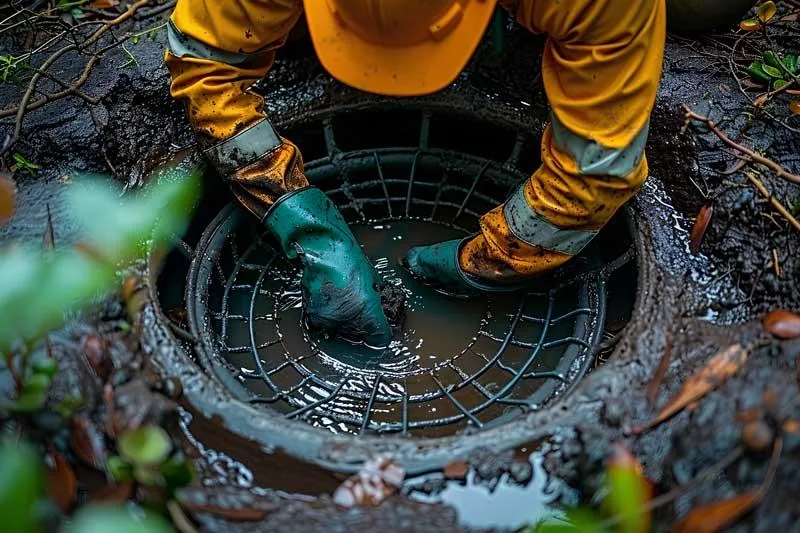
DIY cleanup is risky due to bacteria and pathogens; professional services are strongly recommended.
How do I prevent future sewage backups?
Regular plumbing maintenance, proper waste disposal, and installing backflow valves reduce risk.
What is the difference between gray water and black water?
Gray water is less contaminated and comes from sinks or showers; black water is highly contaminated sewage.
Are there long-term health risks from sewage exposure?
Yes, improper cleanup can lead to infections, respiratory issues, and prolonged contamination.
Can damaged items be restored?
Some materials like non-porous surfaces can be disinfected, while heavily contaminated porous items often need replacement.
Email: [email protected]
Phone: +1 832-225-3000
Address: 9777 W Gulf Bank Road Suite B-600, Houston, Texas 77040