
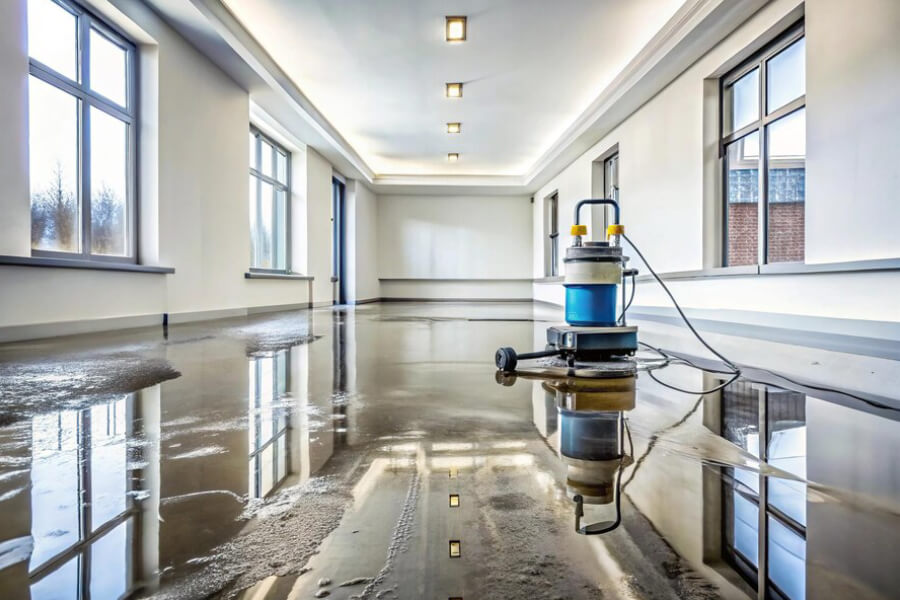
Understanding Water Cleanup Regulations in Spring, Texas and Surrounding Areas
Water damage in homes or businesses can lead to serious structural problems, mold growth, and health hazards. In Spring, Texas and surrounding areas, understanding water cleanup regulations is crucial for homeowners, property managers, and contractors to ensure compliance with local and state rules. Following proper protocols safeguards occupants, reduces property damage, and ensures insurance coverage is valid.
Why are water cleanup regulations important?
Water cleanup regulations ensure that contaminated water is removed safely, structural damage is properly repaired, and mold prevention measures are followed. Compliance protects public health, prevents legal issues, and maintains property value.
What types of water are addressed by regulations?
Regulations distinguish between clean water (from plumbing), gray water (from appliances or sinks), and black water (from sewage or floodwaters). Each type has specific handling, cleanup, and disposal requirements.
Who enforces water cleanup regulations in Spring, Texas?
Local authorities, building inspectors, and environmental agencies oversee compliance. Licensed water damage restoration companies must follow federal, state, and local standards during cleanup.
How do regulations affect water damage restoration?
Restoration companies must adhere to guidelines for water extraction, drying, decontamination, and mold prevention. Proper documentation ensures compliance and insurance claims are valid.
Are there specific timelines for water cleanup?
Yes, regulations and best practices recommend prompt response—typically within 24–48 hours—to minimize damage, prevent mold growth, and comply with safety standards.
What safety standards are required during cleanup?
Technicians must wear personal protective equipment, use safe chemicals, contain contaminated water, and follow protocols to prevent cross-contamination to unaffected areas.
How is contaminated water disposed of legally?
Gray and black water must be handled and disposed of following EPA guidelines. Disposal into storm drains or sewers without approval is prohibited to prevent environmental hazards.
Do regulations cover structural repairs after water damage?
Yes, repairs must comply with building codes, including electrical, plumbing, and structural safety standards. Proper documentation ensures the property meets local inspection requirements.
How do insurance policies relate to water cleanup regulations?
Insurance companies often require professional cleanup in compliance with regulations. Proper documentation of the process is necessary for claim approval.
Can homeowners perform cleanup themselves?
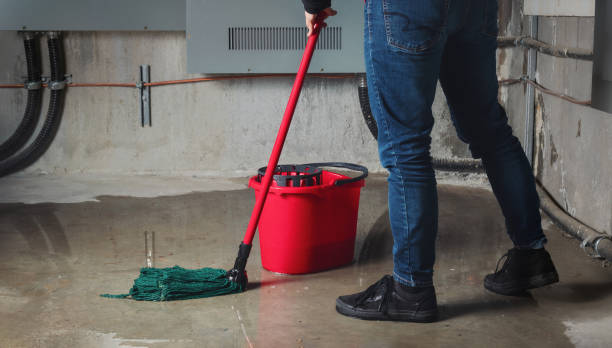
Minor cleanups with clean water may be manageable, but regulations recommend hiring licensed professionals for gray or black water incidents to ensure compliance and safety.
Final Thoughts
Understanding water cleanup regulations in Spring, Texas and surrounding areas is essential for ensuring safe, compliant, and effective water damage restoration. Prompt action, adherence to safety standards, and working with licensed professionals protect health, prevent structural damage, and maintain insurance coverage. Following regulations ensures that homes and businesses are restored properly and remain safe for occupancy.
Are water damage restoration companies licensed in Texas?
Yes, reputable companies are licensed and trained to comply with state regulations.
How quickly should water cleanup start?
Cleanup should begin as soon as possible, ideally within 24–48 hours.
Does mold remediation fall under these regulations?
Yes, mold prevention and remediation are part of water cleanup compliance.
Can improper cleanup affect insurance claims?
Yes, failing to follow regulations may result in claim denial.
Is there a difference between residential and commercial regulations?
While core safety standards are similar, commercial properties may have additional building code and environmental compliance requirements.
Email: [email protected]
Phone: +1 832-225-3000
Address: 9777 W Gulf Bank Road Suite B-600, Houston, Texas 77040